|
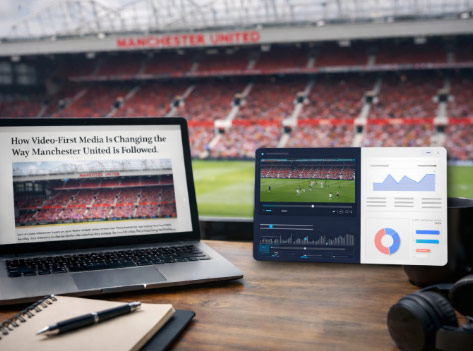
Following Manchester United today extends well beyond matchday routines at Old Trafford. While results and performances remain central, the way supporters engage with the club has shifted toward a broader media experience shaped by video, long-form analysis, and editorial context rather than immediate reaction.
Modern fans move fluidly between live broadcasts, tactical breakdowns, historical retrospectives, and documentary-style content. This reflects a wider change in how football audiences process information. Short-form updates deliver speed, but they rarely provide explanation. Increasingly, supporters look for material that connects individual matches to longer-term patterns — from squad development to managerial philosophy.
This preference mirrors trends seen across digital media. Platforms such as thechronicles.online demonstrate how curated video libraries allow audiences to explore topics through extended visual narratives rather than fragmented clips. Although not football-focused, this approach highlights a broader appetite for structured, paced content that prioritises understanding over immediacy.
Applied to Manchester United coverage, this explains the sustained interest in analytical and retrospective formats. Supporters want insight into tactical shifts, recruitment decisions, and off-field strategy, not only reactions to the latest scoreline. Long-form video and editorial storytelling provide space to examine how individual moments fit into the club’s wider trajectory.
There is also a practical dimension to this evolution. Manchester United’s global fan base means many supporters engage with content outside live match windows. Editorial and video-led formats suit asynchronous consumption, allowing fans to follow narratives on their own schedule while still maintaining a sense of continuity.
From an editorial standpoint, this shift marks a move away from constant commentary toward interpretation. In an environment saturated with instant opinion, value increasingly lies in material that slows the conversation and frames events within a broader context. For a club under continuous scrutiny, this approach offers balance and perspective.
Ultimately, the way Manchester United is followed reflects wider media habits rather than isolated fan behaviour. As video-first storytelling continues to shape digital consumption, editorial platforms that emphasise structure, context, and depth will remain central to how football narratives are formed and understood. |