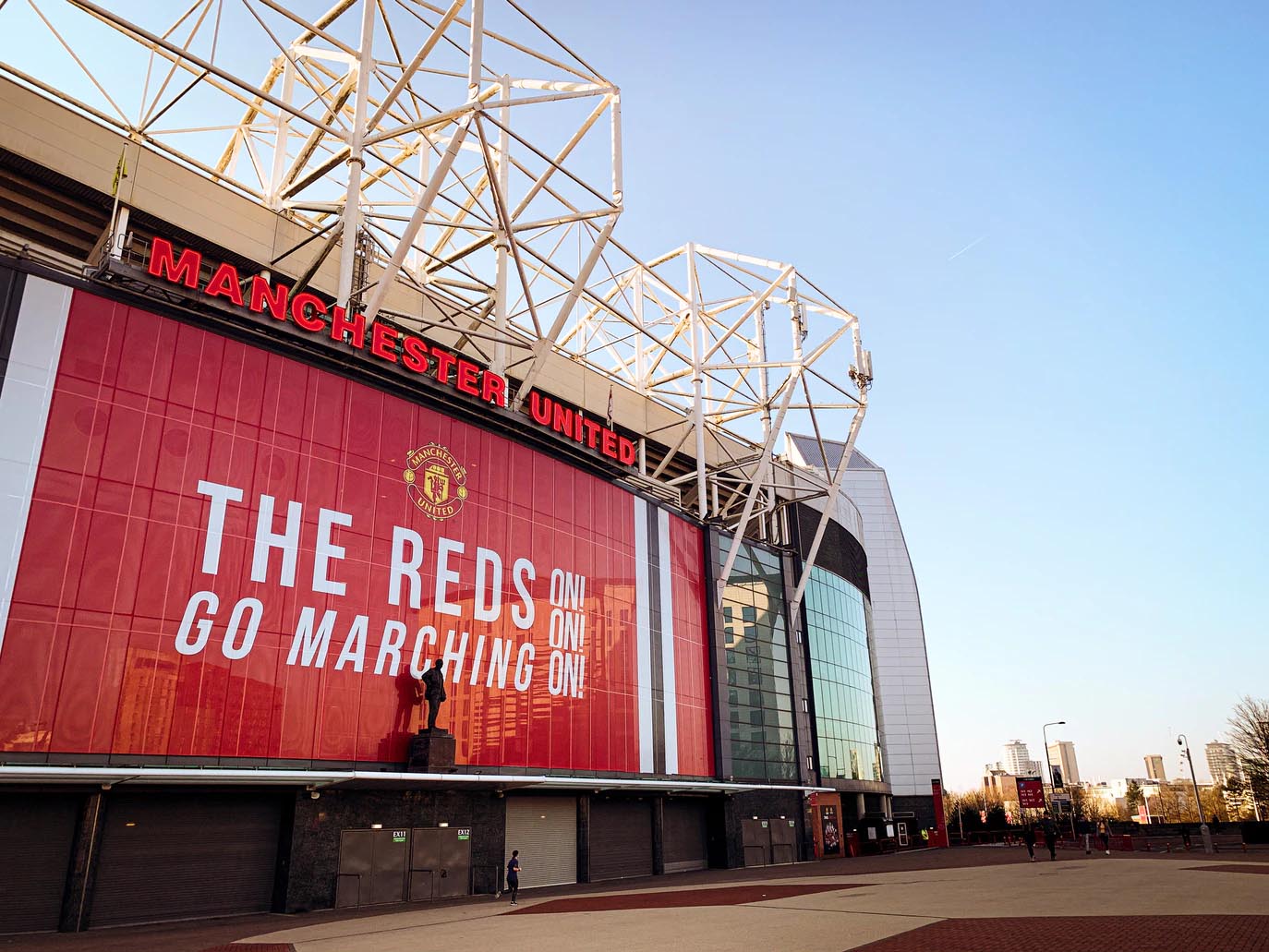
How Manchester United Shaped Modern Football Culture
When we see thousands of fans packed into a stadium singing at the top of their lungs, it is easy to view football as just a basic physical sport played with a simple leather ball. For many people, the game is merely a way to pass a weekend afternoon, keep track of tactical statistics, or argue about refereeing decisions. However, when we look past the grass pitch and analyze sports through a psychological lens, we discover that football is actually a massive driver of human identity and cultural connection.
Manchester United is a perfect example of a club that moved completely beyond the boundaries of local sports to shape modern global culture. Human beings possess a deep, fundamental need to belong to something larger than themselves, seeking out shared history and community to feel safe in an unpredictable world.
For individuals who battle constant internal chaos, daily stress, or even night-time restlessness like nervous system liven, finding a passionate, structured interest like a football club can offer a comforting mental anchor and a reliable routine. By turning a local neighborhood team into a massive, worldwide family, Manchester United created the literal blueprint for how modern sports fans connect, share emotions, and express their true identities.
The Tragedy and the Triumph: Building Emotional Resilience
The very foundation of Manchester United’s unique cultural identity is built on a narrative of incredible survival, deep grief, and ultimate triumph. In 1958, a devastating plane crash in Munich took the lives of eight young players, tearing the heart out of a brilliant generation.
Psychologically, rebuilding a completely shattered club from the ground up created an intense, unbreakable emotional bond not just with local supporters, but with neutral football fans all over the planet. It taught the sporting world a profound lesson in collective resilience, proving that hope can bloom from the darkest tragedies. This history birthed a distinct "never-say-die" team attitude, famously highlighted in later decades by dramatic, last-minute victories that fans fondly nickname "Fergie Time."
Reading through various Liven app reviews shows how much modern society values tools that teach emotional regulation, resilience, and stress management, and watching United fight until the final second of a match provided that exact same psychological training for millions of viewers. This dramatic history taught global fans to expect the unexpected, turning football matches into a masterclass on how to stay resilient during life's toughest moments.
Youth Culture and the Rise of Football Superstars
Beyond emotional resilience, Manchester United completely transformed sports culture by changing how fans view athletes, blending the world of football with fashion, celebrity, and pop music. Through historic eras like the young "Busby Babes" of the 1950s and the famous "Class of 92," the club consistently relied on promoting homegrown local talent rather than just buying expensive superstars.
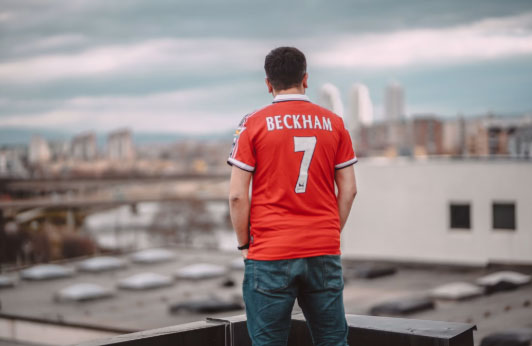
From a psychological standpoint, watching a group of young kids grow up together on the pitch allows fans to project their own personal hopes, dreams, and desires for self-discovery directly onto the players. When players like George Best in the 1960s or David Beckham in the 1990s exploded into global icons, they acted as a giant cultural mirror for youth culture worldwide.
Suddenly, football was no longer just about working-class sports; it was a fashionable lifestyle full of music, self-expression, and mass media appeal. This shift forever altered the sporting landscape, creating the modern concept of the athlete-celebrity and changing how young fans around the world dress, style their hair, and express their personal identities.
The Global Family: Connecting Across Borders
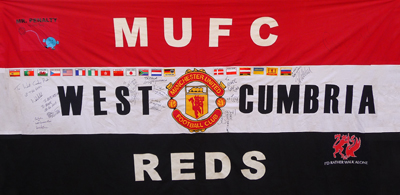
Perhaps the most visible impact Manchester United has had on our modern world is the creation of a truly international fan base that crosses geographical boundaries, language barriers, and distinct cultures. Long before the internet made our world feel small, the club actively built massive, passionate communities across Asia, Africa, and the Americas, transforming football from a local weekend hobby into a 24/7 global community.
Today, a fan sitting in a quiet cafe in Tokyo and a fan standing in a crowded pub in Manchester experience the exact same stomach-churning anxiety and explosive joy at the precise same millisecond. Shared digital rituals, localized supporters' clubs, and matchday traditions create a vast, comforting network where lonely individuals can instantly find their tribe. Wearing that simple red shirt serves as an international passport to instant friendship; no matter where you travel on Earth, you can find a fellow fan to talk to.
This global family dynamic proves that sports can act as a powerful antidote to modern isolation, offering people a welcoming, lifelong community where they are always accepted.
The Legacy Beyond the Pitch
The incredible story of Manchester United demonstrates that the true value of a football club is measured by the human connections it leaves behind rather than the silver trophies locked in its cabinets. The specific players on the field will eventually grow old, successful managers will choose to retire, and tactical formations will inevitably change with the times, but the global community and cultural identity the club built will endure for generations to come.
Manchester United's historic mix of human drama, celebrity culture, and international brotherhood created the highly connected, media-driven sports landscape we all live in today. In an increasingly fragmented digital world where finding genuine, deep-rooted connection can feel harder than ever, global football culture provides a reliable, welcoming gateway to belonging.
By providing a beautiful space where millions of total strangers can laugh, cry, celebrate, and stay resilient together, this historic institution reminds us that football was never really just a simple game—it is a lifelong journey of shared human experience. |