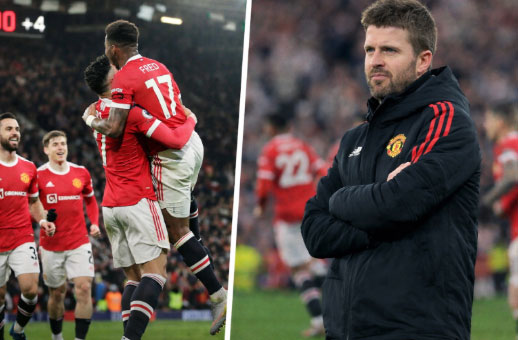
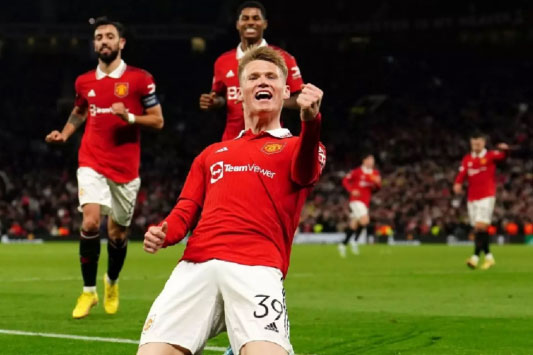
The Carrick Effect: Why Manchester United Suddenly Scores so Many Late Goals
Something strange started happening at Manchester United. Games that looked flat suddenly flipped. Goals came late. Very late. Sometimes in stoppage time. Sometimes, when legs looked gon, hope felt thin.
It did not feel random. It felt planned. Michael Carrick did not arrive with noise. No slogans. No long speeches. Yet the endings changed fast. And endings tell you a lot about a team when playing at https://nationalcasino.com/.
Why Late Goals Are Rare at Big Clubs
Big clubs usually score early. They control games. They kill momentum. Late goals are harder. They need patience. They need calm. They need belief when time runs out.
Before Carrick, United often rushed. They forced passes. They panicked under pressure. Late moments felt heavy. Under Carrick, those minutes felt lighter. That alone matters.
Carrick’s First Tactical Shift Was Boring on Purpose
Carrick made the game smaller. That was the first move. He slowed the tempo. He reduced risk. He told players to keep shape first. It looked dull at times. But boring football saves energy. It saves mental strength, too. When the clock hit 80 minutes, United still had fuel. Opponents often did not.
Control Creates Time, and Time Creates Goals
Late goals are about time. Not just minutes on the clock. Mental time. Carrick focused on possession zones. Not just possession numbers. United stopped forcing crosses. They recycled play. They waited. Waiting frustrates defenders. Frustration causes mistakes. Mistakes decide games late.
The Midfield Was Quietly Rebalanced
Carrick understood midfield. That was his edge. He asked midfielders to sit deeper. To protect space. To stop counterattacks early. This mattered late in games. Fewer sprints. Less chaos.
When the moment came, midfielders still had legs. That extra step wins rebounds. That wins second balls. That wins late goals.
Mental Reset: Playing to Win, Not to Survive
Before Carrick, United often struggled to defend leads. They dropped too deep. They invited pressure.
Carrick changed the message. Do not survive. Control. Players stayed higher. Lines stayed tighter. Fear faded. Late goals often come when teams believe the game is still theirs. United believed again.
Substitutions With One Clear Purpose
Carrick did not rotate for the sake of rotation. Each change had one job. Fresh legs pressed tired defenders. Wide players stayed wide. Strikers stayed central. No confusion. No role overlap.
When substitutes know exactly why they are on, they play freer. Free players make brave runs. Brave runs create chaos late.
Why Stoppage Time Favors Organized Teams
Stoppage time is messy. It looks wild. But structure wins it. Carrick drilled a shape even at 90 minutes. Full-backs knew where to stand. Midfielders knew when to drop.
This meant United attacked without being reckless. They could commit bodies forward. But still recover. That balance is rare. And deadly.
Opponents Started Sitting Deeper Too Early
Another side effect appeared. Opponents changed their behavior. They feared the late push. So they defended earlier. They stopped pressing.
This handed United control sooner. More passes. More territory. By the time stoppage time arrived, the opponent was already shrinking. United expanded into the space.
Carrick’s Calm Changed the Touchline Energy
Managers matter late. Players watch them. Carrick stayed calm. No shouting. No wild gestures. That calm spread. Players made smarter choices. Referees felt less pressure. Late goals often come when emotions are steady. Not frantic.
Why This Was Not Luck
Luck gets blamed or praised too easily. But patterns tell the truth. United scored late more than once. Against different teams. In different situations. The goals came from crosses, rebounds, cutbacks, and pressure. Not random long shots. That is structure. That is preparation.
Can the Carrick Effect Last?
This is the real question. Late goals rely on belief. Belief is fragile. Carrick benefited from surprise. From reset energy. From low expectations. Sustaining it long term is harder. Opponents adapt. Pressure returns. But the lesson remains. Late goals are built early. In training. In mindset. In patience. |