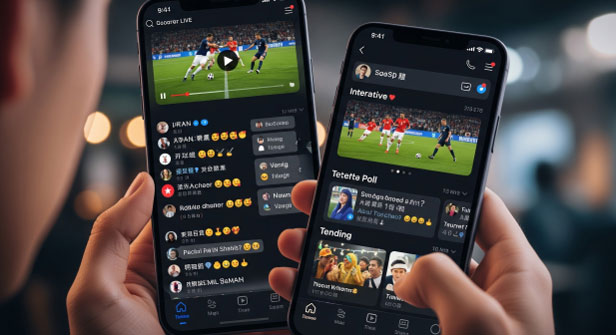
Why Sports in Asia Now Feels Closer, Faster, and More Interactive
Sports interaction across Asia has changed because mobile infrastructure and platform design changed first. GSMA says the mobile sector contributed $950 billion to Asia Pacific GDP in 2024 and is projected to reach $1.4 trillion by 2030 as 5G becomes more widespread, which helps explain why sports media products are being rebuilt around mobility, speed, and personalized access. Fans are not only receiving content more quickly. They are being invited to shape the pace of their own experience through alerts, custom feeds, interactive tools, and region-specific streaming paths.
The result is a very different relationship with sports. Instead of waiting for a scheduled broadcast and then moving on, users now follow fixtures, rankings, clips, commentary, and live data all day across one or two preferred devices. This matters in Asia because the region’s sports habits are unusually diverse: cricket, football, basketball, esports, and combat sports all compete for attention, often on the same screen. Platforms that survive in that environment have learned to become flexible media hubs rather than single-purpose broadcasters.
Streaming is now only one layer of the product
A modern Asian sports platform no longer wins simply by holding rights. It wins by making the fan’s next step obvious. ICC.tv presents a region-based guide to live streaming, while the wider ICC ecosystem combines fixtures, results, rankings, news, videos, and tournament pages in one structure. FanCode in India does something similar by packaging live matches, real-time scores, instant replays, highlights, analysis, and schedules across sports. The lesson is clear: streaming may open the session, but retention usually depends on what surrounds the stream.
Basketball platforms have pushed this especially hard. The NBA’s official support pages describe in-game overlays, game archives, and Multiview for up to four live games at once, while the NBA app also supports personalized notifications and multiple team or player tabs. That moves the fan from a one-game mindset into a broader watch-and-monitor habit. The platform stops behaving like a TV channel and starts behaving like a personalized sports dashboard.
Data tracking has gone mainstream
One of the biggest changes across Asian markets is that live data is no longer a specialist feature. FIBA’s Asia Cup app promises real-time play-by-play, live statistics, favorite-team customization, and tailored notifications, which shows how official tournament products now assume that fans want more than the score. They want pace, context, and the ability to keep up without sitting through every minute of the event. Data has become a normal part of everyday sports following.
The same logic appears in football. The AFC’s Match Predictor for the 2025/26 Champions League Elite season was launched through the federation’s official app and website, turning fans from spectators into participants who keep returning between matchdays. That shift matters because it shows how official organizations are now borrowing engagement tools from gaming, fantasy products, and social apps. The user is expected to interact, not simply observe.
Community behavior is changing too
The social side of sports interaction has become more layered. Fans still talk in group chats and public feeds, but they increasingly do so while moving through official apps that already provide clips, numbers, and prompts for discussion. When the platform offers highlights, rankings, player pages, and notifications in one place, conversation starts closer to the source. That changes the texture of fandom because community talk becomes more immediate and more informed by real-time information.
This is particularly visible in markets where people follow multiple sports simultaneously. A cricket fan can stay in one ecosystem for video and schedules, a football fan can open predictor tools and match pages, and a basketball fan can compare live overlays across games. The platform is no longer trying to replace all outside conversation. It is trying to become the place where that conversation begins.
Where adjacent betting behavior enters the picture
As sports interfaces become increasingly update-driven, the boundary between analytical reading and interactive participation begins to blur. Users who frequently check late injury reports and monitor real-time score fluctuations have developed specific mobile habits, which means navigating an online betting site feels completely natural to their established daily routine. The underlying attraction is not solely the wager itself, but rather the continuous process of interpreting an event as a stream of dynamic information. Fans are essentially reacting to rapid data shifts before specific engagement windows close. Consequently, wagering terminology now sits seamlessly alongside ordinary sports vocabulary within these fast-paced digital ecosystems.
Gaming-native audiences push this interactive pattern even further due to their unique relationship with digital broadcasts. These viewers naturally process dense interfaces and manage multi-window setups while analyzing prediction loops at high speeds. This highly active fan behavior ensures that engaging in esports betting seamlessly merges into the broader architecture of live competitive media without disrupting the user experience. The essential takeaway is not that virtual tournaments are replacing traditional sports, but rather that both ecosystems now rely heavily on identical design principles. Live statistics, persistent notifications, and frictionless switching between information streams are rapidly becoming the defining traits of sports consumption across the region.
Combat sports demonstrate this identical digital trend through a slightly more compressed viewing format. Dedicated fans who obsessively track weigh-in results, sudden card changes, and round-by-round scoring are constantly processing rapid bursts of critical data. Because this analytical digital context demands immediate reactions, utilizing a boxing betting site provides a space where split-second timing and match context outweigh traditional long-form commentary. The most successful platforms in this space are those that actively respect the brutal pace of the sport and the inherent impatience of the modern spectator. Ultimately, users consistently reward interactive products that perfectly align with the demanding tempo of their live attention spans.
The next expectation is personalization by default
Asian users now expect sports products to recognize that not all attention looks the same. Some people want one team, one sport, and one notification type. Others want multiple leagues, highlight-first behavior, and flexible re-entry points throughout the day. The NBA app’s personalized team and player tabs, FIBA’s tailored alerts, and AFC’s app-based engagement tools all point toward the same direction of travel: personalization is moving from premium feature to default expectation.
That is the deeper change in sports interaction across Asia. The platforms are not just distributing content more efficiently. They are teaching fans to think of sports as an interactive, portable, data-rich environment that stays with them all day. Once that expectation is established, passive viewing starts to feel incomplete. |