|
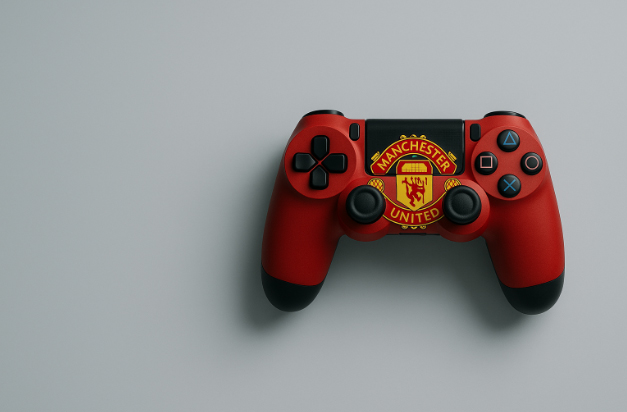
Manchester United is more than just a football club; it's a global brand that has influenced multiple industries. Its impact on the gaming sector is profound, creating a bridge between sports and digital entertainment. As gaming continues to grow, understanding this influence is crucial.
When you think of Manchester United, the first thing that comes to mind is likely football. However, the club's influence stretches far beyond the pitch, impacting various sectors, including gaming. The blending of sports and gaming has created new opportunities for fan engagement and innovation. From video games to digital platforms, the presence of Manchester United is unmistakable. One popular game that exemplifies this is starburst slot, showcasing how the club's brand transcends traditional boundaries. This article delves into how Manchester United has shaped modern gaming trends and what the future might hold.
Manchester United's brand evolution across sectors
Manchester United's journey from a local football team to a global brand is nothing short of remarkable. The club's success on the field laid the groundwork for its expansion into other entertainment sectors. As digital media began to dominate, Manchester United embraced these changes, leveraging its massive fan base to influence gaming culture. This transition wasn't just about broadcasting matches but about engaging fans through interactive platforms.
Over time, Manchester United became synonymous with innovation in digital entertainment. The club's collaborations with game developers and digital platforms have resulted in unique experiences for fans worldwide. These partnerships highlight how Manchester United's brand has adapted to modern trends while maintaining its heritage. By capitalizing on its iconic status, the club has successfully bridged the gap between traditional sports and digital entertainment.
The digital transformation of Manchester United's brand strategy has been particularly evident in mobile gaming applications and social media integration. The club recognized early on that younger demographics were spending increasing amounts of time on mobile devices and gaming platforms. This insight led to strategic investments in mobile-first content and partnerships with gaming companies that could deliver Manchester United experiences directly to fans' smartphones. The club's official apps now feature gamified elements, from prediction games to fantasy football leagues, creating daily touchpoints with supporters. This approach has not only maintained relevance with existing fans but has also attracted new audiences who might first encounter the club through gaming platforms rather than traditional sports broadcasting. The success of this strategy demonstrates how traditional sports institutions can evolve their brand presence to remain competitive in an increasingly digital marketplace.
Football clubs inspiring gaming innovations
The synergy between football clubs like Manchester United and the gaming industry is evident in various innovations. Game developers often draw inspiration from real-life sports events to create immersive experiences for players. Simulation games that replicate football matches have become increasingly popular, allowing fans to experience the thrill of the game virtually.
Beyond simulations, clubs have ventured into virtual reality and augmented reality experiences, offering fans new ways to engage with their favourite teams. These technologies enable users to interact with virtual representations of their favourite players or stadiums. The integration of football elements into popular games further exemplifies this trend, as seen in collaborations that bring unique content to mainstream titles.
Cultural and commercial impact on gaming
Manchester United's influence extends beyond mere gameplay; it fosters a sense of community among fans globally. The club's presence in games creates shared experiences that enhance fan loyalty and engagement. By incorporating team-specific features or exclusive content in games, developers tap into a ready-made audience passionate about their club.
The commercial aspect of this relationship cannot be overlooked either. Football clubs generate significant revenue through partnerships with game developers and digital platforms. These collaborations often include branding opportunities within games themselves or through associated merchandise sales. As a result, both industries benefit from increased visibility and financial gains.
Future gaming trends shaped by football clubs
As technology continues to evolve rapidly, so too will the relationship between football clubs and the gaming industry. Virtual reality and augmented reality are expected to play an even more prominent role in fan engagement strategies moving forward. These technologies allow users unparalleled access to their favourite teams' worlds while providing new monetization avenues for both parties involved.
The growing popularity of esports also presents exciting opportunities for collaboration between traditional sports teams like Manchester United and professional gamers or organizations within this space. By exploring these new frontiers together, they can reach wider audiences while pushing creative boundaries further than ever before. |